Complimentary hearing aid reviews
Where hearing aids are recommended, reviews are available to help ensure your devices continue to support your hearing needs.
 Book Online
Call Us to Book
Book Appointment
Book Online
Call Us to Book
Book Appointment
Private Hearing Care
A £30 doctor-led Ear & Hearing Health Check in Nottingham, designed to assess your ears medically first and arrange in-house audiology support where a complete hearing assessment, tinnitus management or hearing aid advice may be appropriate.
 £30 Ear & Hearing Health Check
 Experienced audiologists and hearing care experts
 No obligation following your hearing test

Why choose Nottingham Ear Clinic?
Your care starts with a medical ear and hearing health check. If a full audiology assessment is needed, our doctor can refer you to our experienced in-house audiologist.
Where hearing aids are recommended, reviews are available to help ensure your devices continue to support your hearing needs.
Flexible payment options may be available for hearing aids, helping you choose the right solution with greater confidence.
Aftercare support is included with every hearing aid purchase, so you have ongoing guidance as you adjust to better hearing.
Adults can book a £30 doctor-led ear and hearing health check directly, without a GP referral.
Your assessment is carried out by trained hearing care professionals who will explain your results clearly and carefully.
If hearing aids or further care are recommended, your options will be explained clearly, with no pressure to proceed.
Doctor-led ear and hearing assessment
Many people see a doctor, dentist or optician regularly, but hearing is often overlooked. If your hearing has not been checked recently, a hearing assessment can help monitor your hearing health and identify changes early.
Regular hearing tests can help detect changes before they become more noticeable. This is particularly important if you are over 50, as the likelihood of hearing loss increases with age.

Eligibility
Adults aged 18 and over can book a £30 Ear & Hearing Health Check directly. You do not need a GP referral. Your appointment is carried out by a medical doctor, who will assess the ear canal, eardrum and relevant symptoms before advising on the next step.
If a complete hearing assessment, tinnitus review or hearing aid advice is needed, your doctor can refer you to our in-house audiologist. Follow-on hearing assessment and tinnitus management appointments are free when arranged following referral from our doctor, so your care is considered from both a medical and audiological perspective.
Book Ear & Hearing Health CheckSigns and symptoms
Hearing loss is often gradual. It may be a loved one who notices the change before you do. A hearing assessment can help clarify whether your hearing has changed and whether support may be helpful.
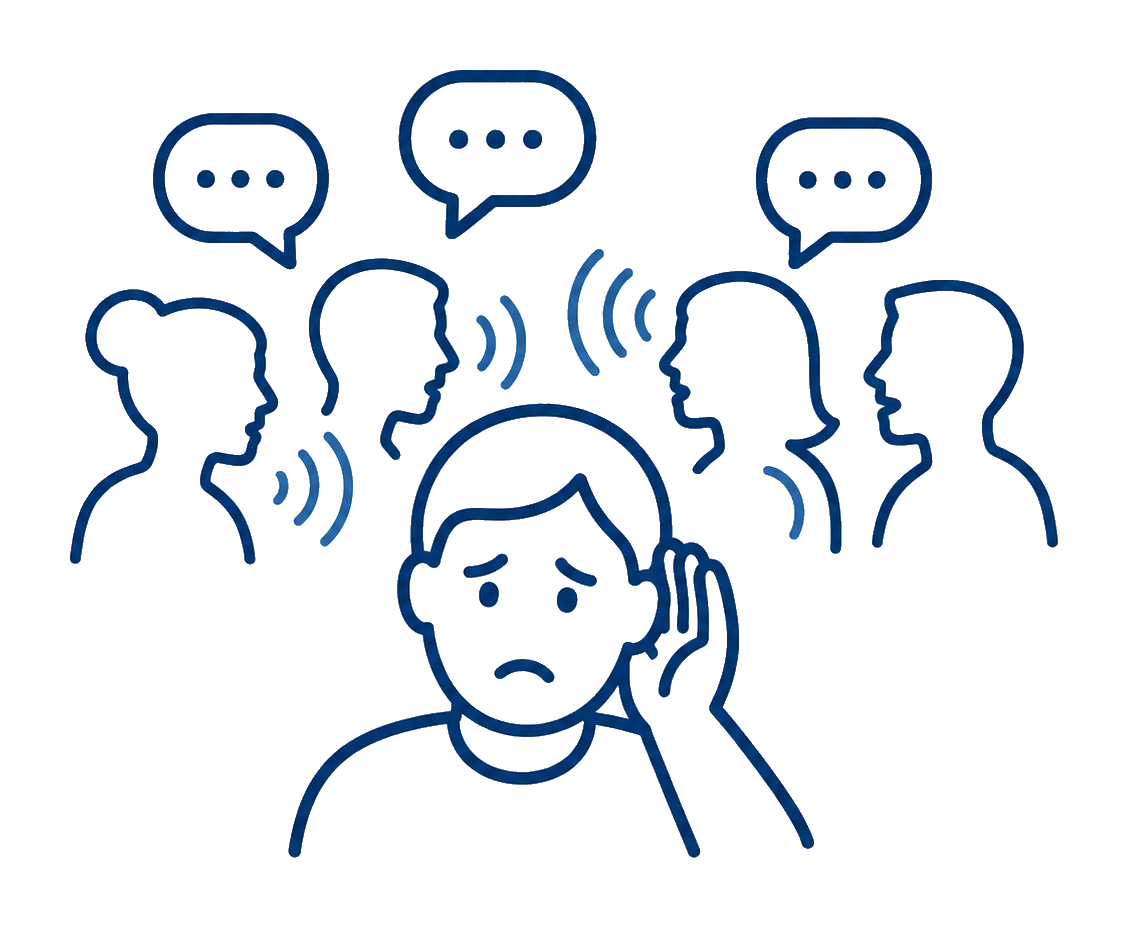
Needing to ask people to repeat themselves.
Finding conversation difficult in groups or background noise.

Turning the television volume up or relying on subtitles.
Missing everyday sounds such as the doorbell, phone, oven timer or alarms.

Speech sounding muffled, less clear or lacking definition.
Persistent ringing, buzzing or tinnitus symptoms.
Hearing difficulty can affect confidence, communication, social connection and quality of life. Assessment gives you clear information and helps you understand the options available.

What is a hearing test?
A hearing test helps determine whether you have hearing loss, whether mild or more significant. It also helps build a detailed picture of your hearing requirements, lifestyle and personal preferences.
During your appointment, your audiologist will listen to your concerns, go through your medical history and perform a sequence of tests, including otoscopy, tympanometry, pure tone audiometry and speech testing.
Your results will be explained clearly, including whether hearing aids, ear wax removal, medical ear care or monitoring may be beneficial.

What happens in a hearing test?
The assessment is designed to be thorough, comfortable and easy to understand. Each step helps build a clinical and practical picture of your hearing.
 1
1We discuss what matters most in your day-to-day life, including home, social situations, hobbies and the listening environments where better hearing would make the biggest difference.
 2
2Your audiologist will ask about relevant symptoms and conditions, including ear infections, tinnitus, dizziness, ear surgery, wax problems or hearing changes.
 3
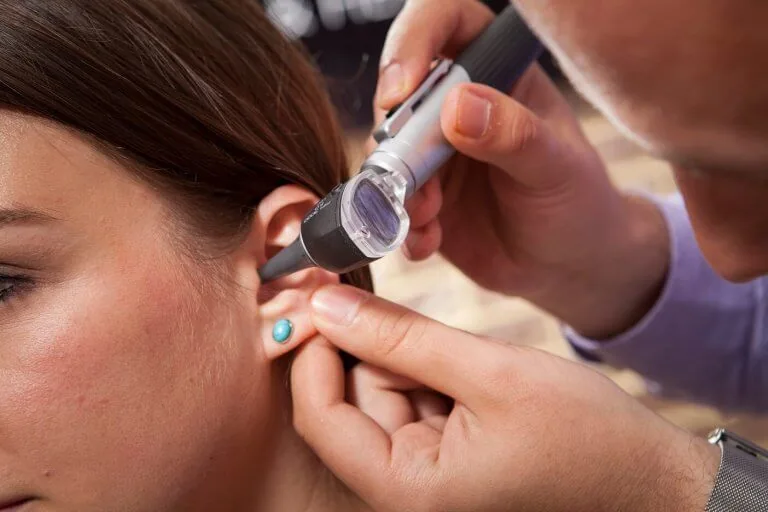
3An otoscope is used to examine your ear canals and eardrums, checking for wax, inflammation, obstruction or visible ear-health issues that may affect hearing.
 4
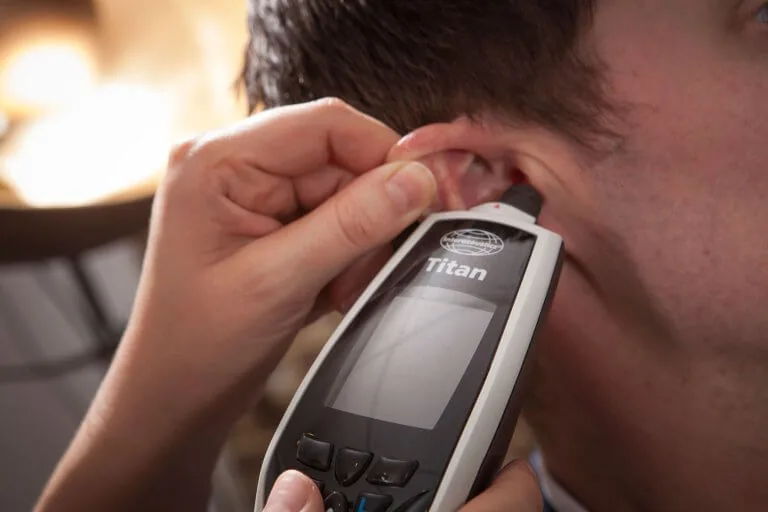
4This quick test assesses eardrum movement and middle-ear pressure. It can help identify issues such as eustachian tube dysfunction or fluid behind the eardrum.
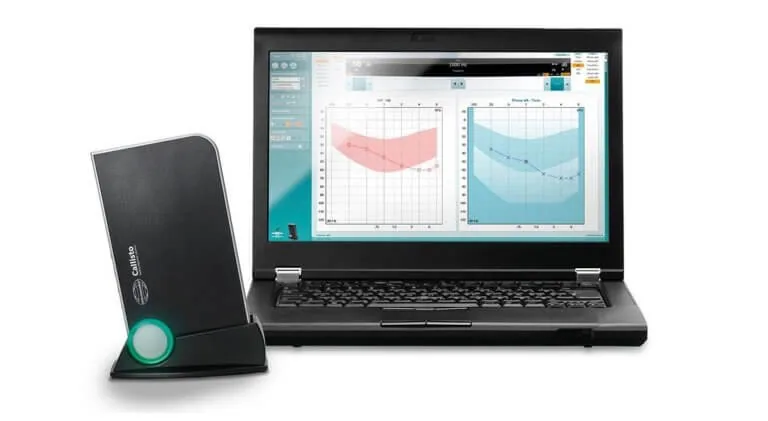
5Wearing headphones, you respond to tones at different pitches and volumes. This helps identify the quietest sounds you can hear and whether hearing loss is present.
 6
6Speech testing can assess how clearly you understand words, including listening situations that reflect everyday environments such as cafés or restaurants.
A full hearing assessment usually takes around 60–75 minutes. This allows time for discussion, testing, explanation of your results and recommendations on what to do next.
Hearing changes over time. Many adults benefit from a hearing test at least every two years, especially if they are over 50 or have noticed changes in hearing. Sudden hearing loss should be assessed urgently.

If hearing loss is found
If your audiologist identifies hearing loss, this is common and there are several options available. Your results will be explained clearly and your next steps will be based on your hearing, ear health, lifestyle and preferences.
Hearing aids and ongoing care
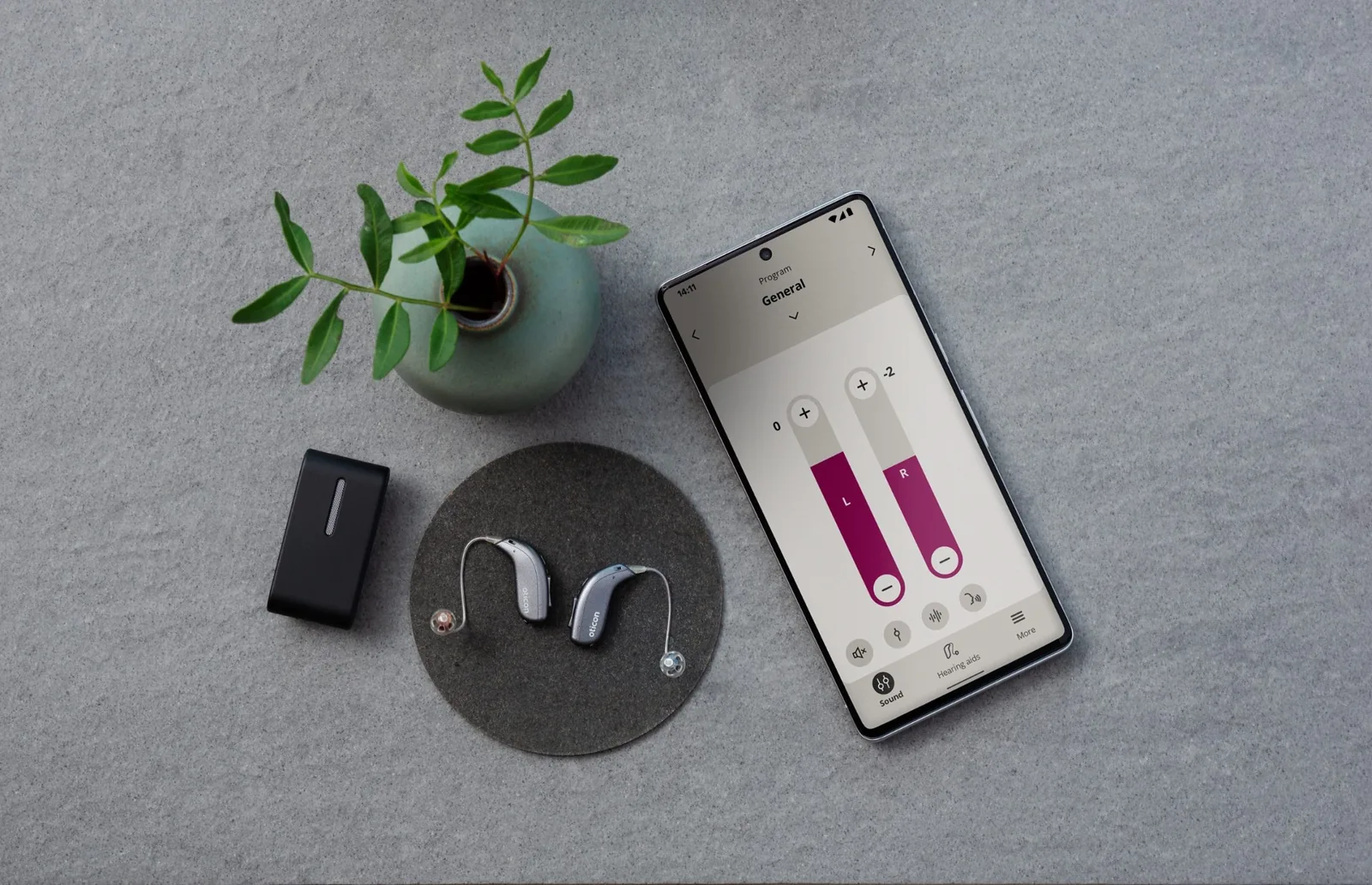
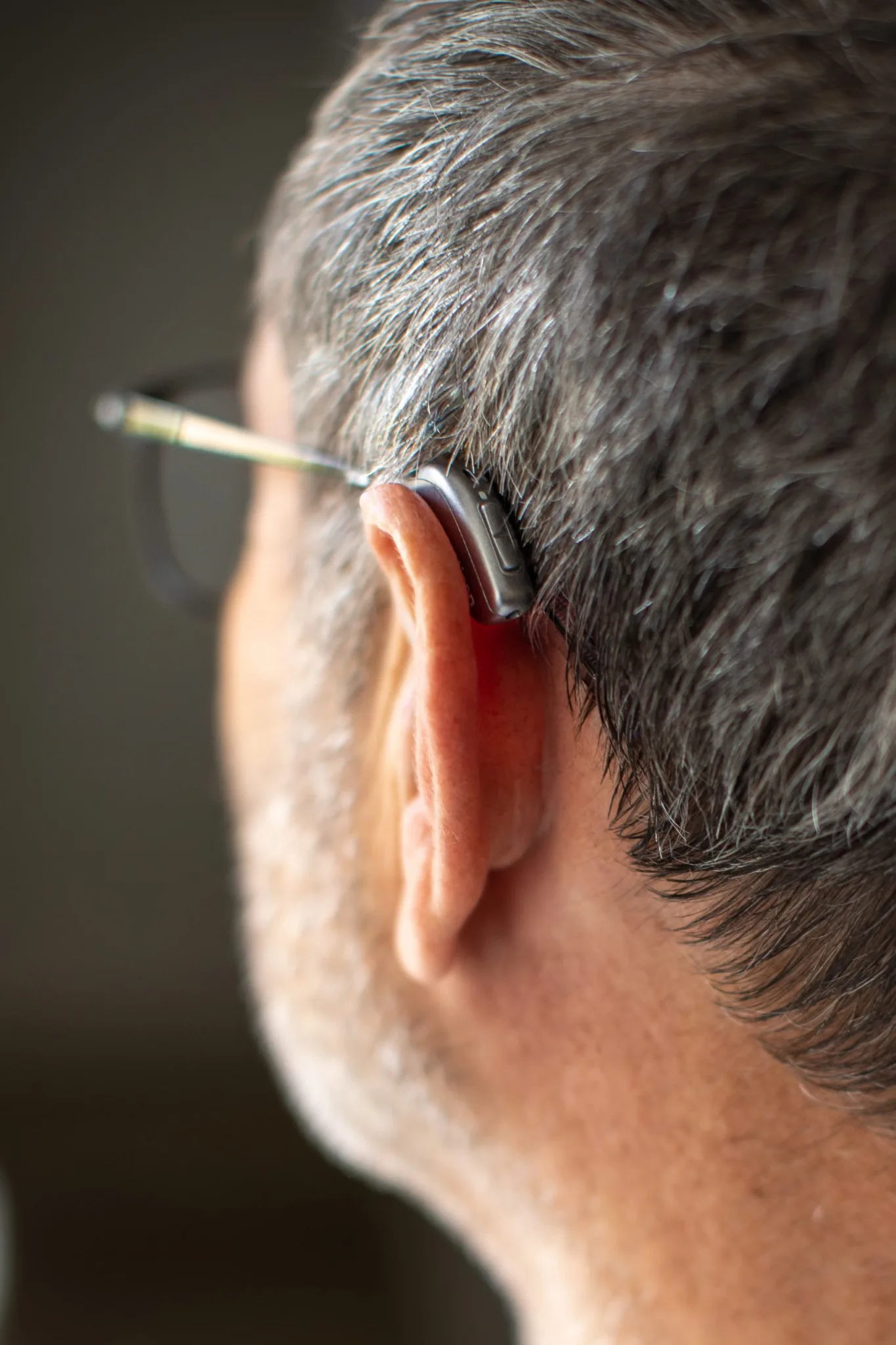
If hearing aids are likely to help, you will be guided through the most suitable options in a clear and no-pressure way. Modern hearing aids can be discreet, comfortable and tailored to the listening environments that matter most to you.
Ongoing support may include hearing aid reviews, aftercare advice and help adjusting to your devices, so your hearing care continues after the initial assessment.
Cost and booking
The doctor-led Ear & Hearing Health Check costs £30. This allows us to assess your ears medically first, check for wax, infection, inflammation or other ear problems, and advise whether you would benefit from a complete hearing assessment with our in-house audiologist. If our doctor refers you for a full hearing assessment or tinnitus management appointment, that follow-on audiology appointment is free.
If audiology input is recommended, your doctor will explain the reason clearly and help arrange the most appropriate next step.
Detailed answers to common questions about adult hearing tests, private hearing care and hearing aid advice at Nottingham Ear Clinic.
It is true that the likelihood of hearing loss increases with age, but there is no such thing as being “too young” to have your hearing checked. At Nottingham Ear Clinic, we recommend regular hearing tests for adults aged 18 and over, particularly if you have noticed changes in your hearing, difficulty following conversation, tinnitus or concerns raised by family members.
Yes — many patients find it helpful to bring a friend, partner or relative. They can offer support, help you remember important information and share useful observations about how your hearing may be affecting day-to-day communication. Their presence can also help you feel more relaxed during the appointment.
Nottingham Ear Clinic currently provides hearing care for adults aged 18 and over. If you are concerned about a child’s hearing, the best next step is to speak to your GP and request referral to your local NHS paediatric audiology service, where age-appropriate hearing assessment can be arranged.
Your audiologist will begin by discussing your hearing concerns, lifestyle and medical history. The assessment may then include otoscopy, tympanometry, pure tone audiometry and speech testing. Together, these tests build a clear picture of your hearing, ear health and communication needs, allowing tailored advice to be given at the end of the appointment.
A comprehensive adult hearing assessment usually takes around 60 to 75 minutes. This allows enough time for testing, explanation of your results and discussion of the most appropriate next steps, without your appointment feeling rushed.
If hearing loss is identified, your audiologist will explain the findings clearly and talk you through the options available. Depending on the cause and pattern of hearing loss, this may include hearing aid advice, monitoring, referral for doctor-led ear care or ear wax removal if a build-up of wax is contributing to your symptoms.
No. Your appointment is designed to give you clear information and professional advice, not to pressure you into making a decision on the day. If hearing aids may be beneficial, we will explain the options carefully and answer your questions, but there is no obligation to proceed.
If you are over 50, have noticed changes in hearing, or already use hearing aids, regular hearing reviews are advisable. Even if your hearing feels stable, periodic testing can help identify changes early and support long-term hearing health.
Choose a calm and supportive moment, avoid criticism and keep the conversation positive. It often helps to talk about practical examples, such as difficulty following conversation or turning the television volume up, and to focus on how assessment may improve confidence, communication and quality of life.

 Same-day and
  Expert ENT care in a
  Friendly team here
  Book OnlineIt only takes a few clicks
 Call Us0115 837 2252